Chapter 6
Chapter 6
Climate topic deep dives
Explore research and thought leadership on key climate topics
This knowledge hub provides deep dives into areas of transformation within the mobile industry that are helping both the mobile sector and other sectors achieve carbon reductions. This ranges from network energy efficiency so less energy to used to move more bytes, to clean power leading the way in the energy transition, and the challenge of moving from a linear economy to a circular model.
Increasing Energy Efficiency
With more data being transferred across mobile networks, demand for energy is increasing each year. This threatens operator energy efficiency and carbon reduction targets. While energy costs are a significant proportion of operator’s Operational Expenditure (OpEx), it is also an area with many opportunities for OpEx savings with targeted Capital Expenditure (CapEx) on energy efficiency measures.
Transition to Renewable Energy
Electricity used to power mobile networks is often sourced from fossil fuels. Switching to renewable electricity, whether onsite or through the grid, is one of the fastest ways for mobile network operators to decarbonise.
This section provided technical advice to enable operators to decide which type of renewable electricity to source, as well as case studies from operators who have already successfully switched.
Engaging with the Supply Chain
In evaluating the whole value chain of the mobile sector, a significant proportion of carbon emissions result from the manufacture of network equipment and mobile devices.
Operators are increasingly engaging with suppliers to help them disclose their climate impacts and set reduction targets. The industry as a whole is also moving towards more circularity around repair and recycling of equipment to tackle the problem of e-waste.
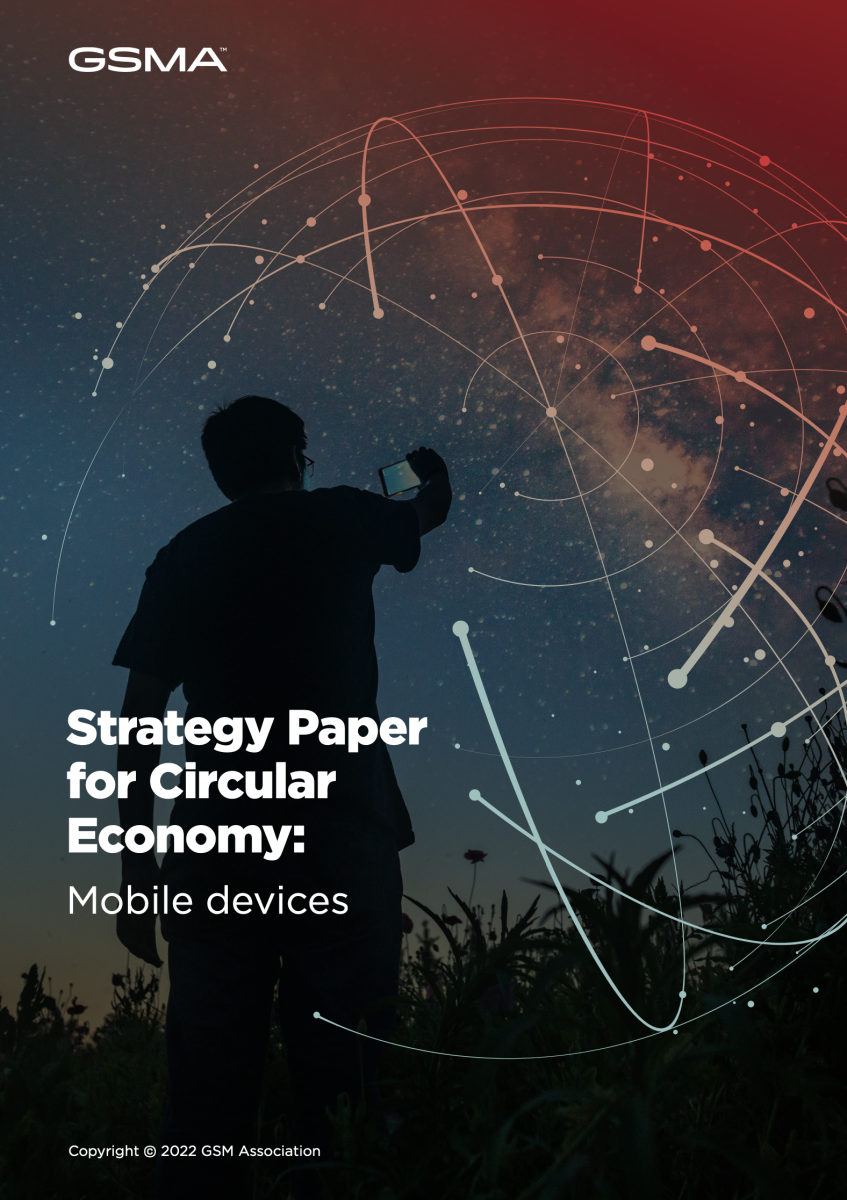
Strategy Paper for Circular Economy: Mobile Devices
Sustainability challenges can only be addressed at a systemic level, and this is why the GSMA is proud to play a role in helping the mobile industry become more sustainable.
The GSMA published its first Strategy Paper on the Circular Economy, which focussed on how network equipment can evolve towards more circular business models.
Continuing the exploration of circularity, this paper looks at the largest environmental impact of the mobile industry – mobile devices.
The paper has been developed with Ethos, a Swedish management consultancy specialising in sustainability, in collaboration with Tele2, as the Project Group lead, and Project Group members from the GSMA.
Continuing the exploration of circularity, this paper looks at the largest environmental impact of the mobile industry – mobile devices.
The paper has been developed with Ethos, a Swedish management consultancy specialising in sustainability, in collaboration with Tele2, as the Project Group lead, and Project Group members from the GSMA.
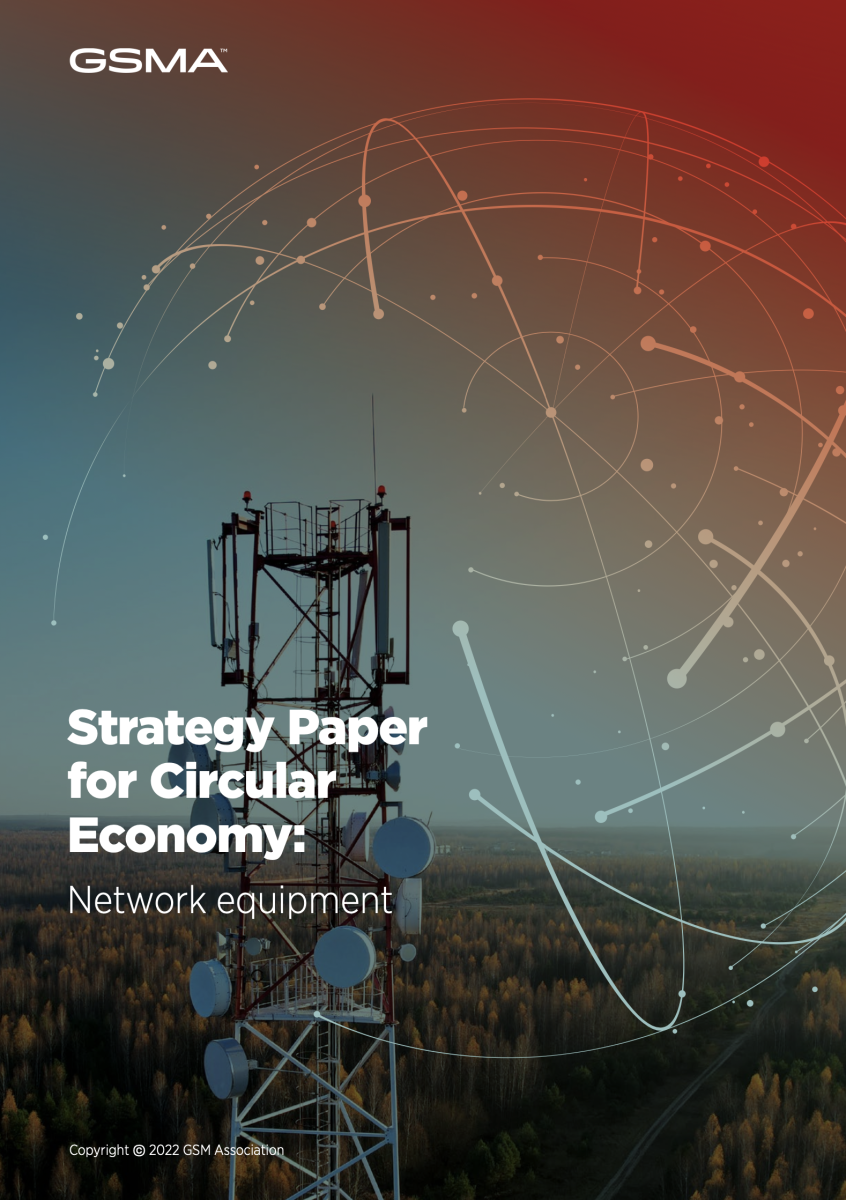
Strategy Paper for Circular Economy: Network Equipment
The benefits of a circular economy and its necessity are undeniable. More than ever, the planet and its people need to reduce resource use and move to more sustainable business models. This also applies to the telecommunications industry and its network equipment.
This strategy paper analyses how the network equipment used within the telecommunications ecosystem can evolve towards a circular business model. This will involve cooperation with stakeholders throughout the value chain, beginning with changing perceptions of what is ‘waste’.
The aim of the shift towards greater circularity is to reduce environmental impacts while realising social and economic benefits at the same time.
The aim of the shift towards greater circularity is to reduce environmental impacts while realising social and economic benefits at the same time.
Digitialisation Decreasing Carbon Emissions
All sectors of the economy are experiencing a shift online. This expansion of smart technologies and the use of smartphones can greatly support our climate efforts if harnessed in the right way.
Smart technologies have the power to create huge efficiencies, and smartphones mean we can live, work, learn, shop, play and receive medical care as never before. Our research and case studies show what is already happening and how mobile operators are exploring new business opportunities.