Chapter 4
Chapter 4

Achieving climate targets

Guidance and support for operators to reduce carbon emissions
Taking climate action to meet science-based targets requires bringing the whole organisation along with you. It’s a transformation programme that affects most parts of a company including employee engagement, operations, communications, procurement, marketing, finance and the leadership team.
The GSMA has been working with our members to understand the challenges they face when taking climate action, and to provide targeted support where possible. This section covers key resources that will help successfully achieve climate targets.

Achieving Climate Targets

A step-by-step guide for mobile network operators to achieve near-term science-based targets. This guide builds on the Setting Climate Targets guide published in 2020, and is aligned by the ICT sectoral target-setting approach.
The guide is presented in two sections, the first is an overview of setting science-based targets and current climate action across the ICT sector. The second presents a three-step process for mobile network operators to achieve science-based targets, including an overview of carbon reduction opportunities across Scopes 1, 2 and 3.

Achieving Climate Targets Guide Launch

This engaging session delved into strategies and actionable steps for mobile network operators to achieve their net zero targets. In 2020, the GSMA and Carbon Trust published a guide called ‘Setting Climate Targets’, which explained step-by-step how to align carbon targets with the new ICT sector pathway to net zero.
Reuniting with the Carbon Trust, the GSMA developed a follow-up guide called ‘Achieving Climate Targets‘. This invaluable resource offers practical, step-by-step instructions specifically tailored to the mobile industry on how to reduce carbon emissions, drawn from best practices across the industry.

This session, was a journey of exploration, uncovering key insights and unlocking the true potential of decarbonisation endeavours. With speakers including:

Peter S. Andersen, Senior Director, Head of Sustainability, TDC NET
Cyril Pourrat, Chief Procurement Officer, BT Sourced
Andrea McCormick, Group Environment Lead, Vodafone
Charlotte Kirkman, Consultant, Carbon Trust
Matt Anderson, Senior Consultant, Carbon Trust
Laura Tedeschi , Business Development Manager and ICT Sector Lead, Carbon Trust
Steven Moore, Head of Climate, GSMA
The session covered:

Reducing Emissions at Every Level: Effective Strategies for Scope 1, 2, & 3
Integrating Climate Consciousness: Embedding a Robust Climate Strategy into Your Business DNA
Powering the Future: Maximising the Benefits of the Transition to Renewable Energy
Supplier Engagement Excellence: Unveiling Best Practices to Drive Sustainable Partnerships
Don’t miss this opportunity to gain a competitive edge in the ever-evolving landscape of mobile networks, by equipping yourself with the right tools and knowledge.

Watch the video now and be part of the mobile industry’s transformational journey towards a greener, more sustainable world.
How to Topic Deep Dives

Climate action within the mobile industry is focused on two key areas: energy use and supply chain emissions. The GSMA has created energy deep dives with analyses and best practice recommendations for energy efficiency, as well as advocacy to improve access to renewables.

Engaging with suppliers is another key area as the majority of carbon emissions for a mobile network operator lie within the supply chain. This opens up opportunities for collaboration with suppliers around climate action and the circular economy to reduce environmental impacts.

The mobile industry also has an important enabling role in the digital transformation of many sectors of the economy. The impact of smart connected technologies can be even larger than the footprint of the mobile industry, with smart energy, transport and manufacturing solutions contributing to efficiencies and carbon reduction.

Transition to Renewable Energy

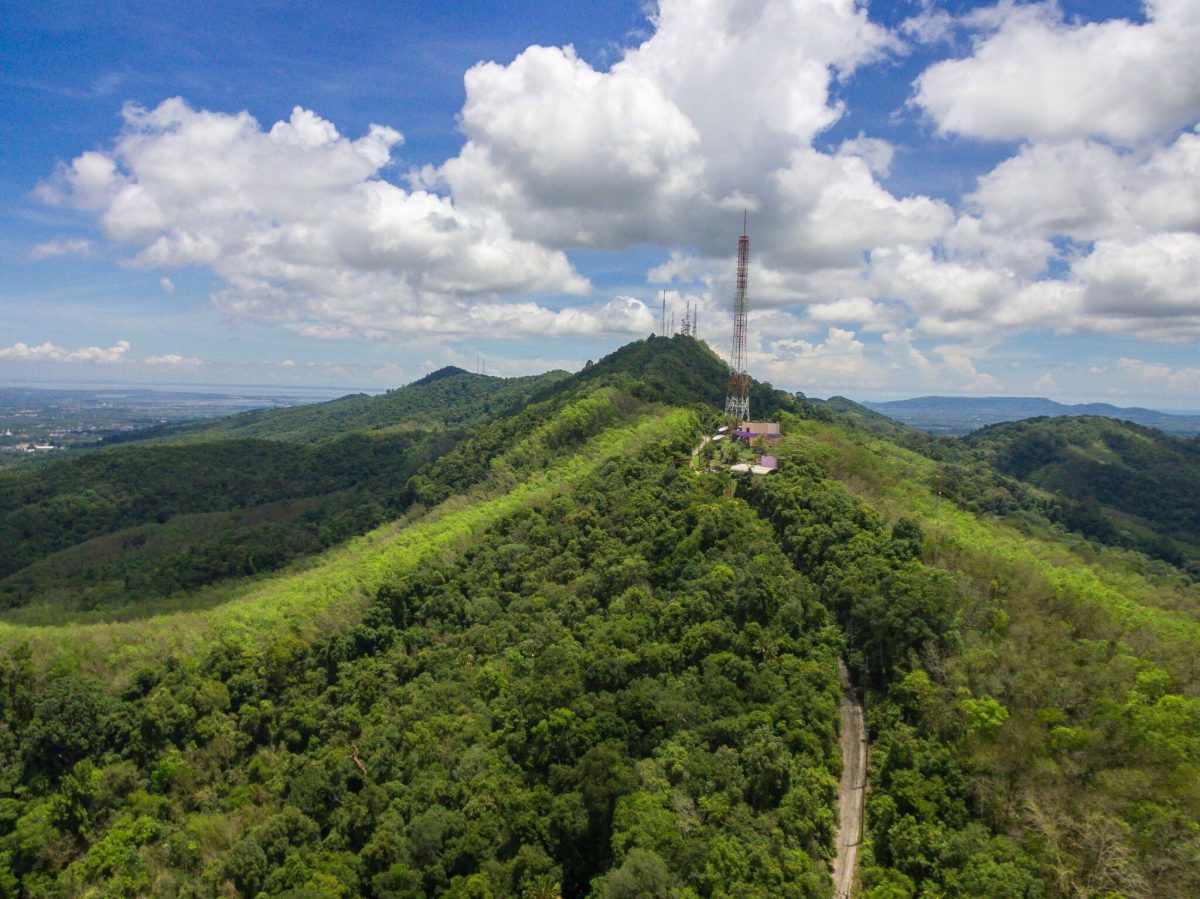
Electricity used to power mobile networks is often sourced from fossil fuels. Switching to renewable electricity, whether onsite or through the grid, is one of the fastest ways for mobile network operators to decarbonise.
This section provided technical advice to enable operators to decide which type of renewable electricity to source, as well as case studies from operators who have already successfully switched

Increasing Energy Efficiency

With more data being transferred across mobile networks, demand for energy is increasing each year. This threatens operator energy efficiency and carbon reduction targets. While energy costs are a significant proportion of operator’s Operational Expenditure (OpEx), it is also an area with many opportunities for OpEx savings with targeted Capital Expenditure (CapEx) on energy efficiency measures.

Engaging with the Supply Chain

In evaluating the whole value chain of the mobile sector, a significant proportion of carbon emissions result from the manufacture of network equipment and mobile devices.
Operators are increasingly engaging with suppliers to help them disclose their climate impacts and set reduction targets. The industry as a whole is also moving towards more circularity around repair and recycling of equipment to tackle the problem of e-waste.

Digitialisation Decreasing Carbon Emissions

All sectors of the economy are experiencing a shift online. This expansion of smart technologies and the use of smartphones can greatly support our climate efforts if harnessed in the right way.
Smart technologies have the power to create huge efficiencies, and smartphones mean we can live, work, learn, shop, play and receive medical care as never before. Our research and case studies show what is already happening and how mobile operators are exploring new business opportunities.